
The world is still trying to recover from the impact of COVID-19 pandemic. It was felt in various sectors, and the travel industry wasn’t spared. Fortunately, the hotel industry experienced a change in 2021 as holiday travel started to rebound toward the end of the year. Approximately 109.5 million travelers came into the scene, a 33.9% increase from 2020.
Based on Tourism Economics’ travel forecasting model, the latest forecasts show that 2022 holiday travel will be resilient. That’s despite the high inflation and overall decrease in consumer sentiment. The same decline in consumer sentiment was non-consequential in consumer spending in 2021, with a 12.1% increase reported in the 4th quarter compared to 2020. It’s likely to recur in 2022 holiday travel, with domestic leisure travel spending surpassing the pre-pandemic levels.
Other predictions show that:
So far, agents and operators in the travel industry have reported significant booking increases for the summer and spring seasons. According to the World Travel and Tourism Council, tourism and travel will contribute nearly $2 trillion to the US economy in 2022, surpassing the pre-pandemic levels. The council anticipates an increase in outbound travel from the US.
The recovery will significantly pick up as the infection rates decrease and tourists continue to benefit from boosters and vaccines. As travel restrictions become easier and consumer confidence returns, there will be a welcome release of pent-up demand and travel.
Most travel destinations still require travelers to check the most recent entry requirements before flying universally. Over 100,000 health and travel restrictions are in place in various places globally. The limits are as many as they were during the pandemic. There’s a move away from quarantines and bans of non-essential visitors.
The focus is more on testing and vaccination requirements. While the mask mandate has been lifted, individuals must continue to wear masks where required under the federal law. That’s irrespective of their vaccination status.
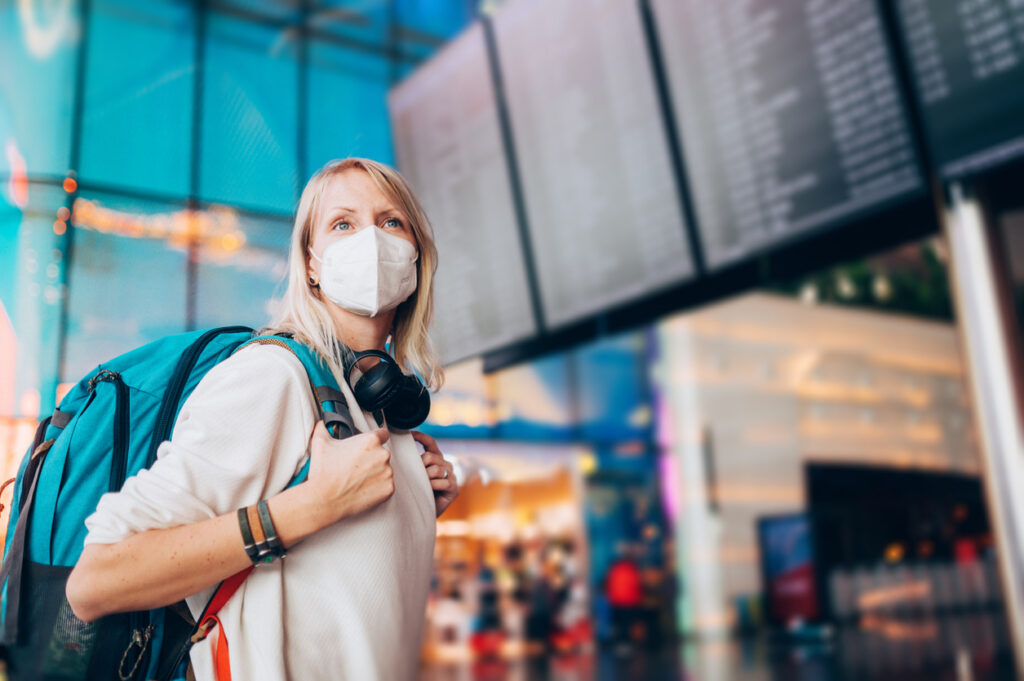
Flights could cost much less than before the pandemic. Airfares dropped 18% between 2019 and 2021, and are 30% below the highest rate ever in 2013, according to data from Airlines from America, representing seven airlines. It’s hard to predict when and where the fares will rise, but pandemic psychology, travel restrictions, and evolving health threats have influenced traditional pricing patterns.
Many airlines continue to waive flight change fees apart from introductory economy flights.
In addition to decreasing flight costs, airlines partner with bus companies to run on-ground flights to connecting cities. The move serves to curb plane and car dependency among travelers. Good old-fashioned shuttles and buses are returning as on-the-ground alternatives for American Airlines. The tickets attract the same prices as connecting flights, with passengers and their luggage ferried from their homes to the airport.
As travelers come out of the pandemic restrictions that halted travel, they know that travel is more than just going somewhere. An Expedia senior public relations manager, (10)Christie Hudson, notes that travelers will wring every bit of meaning and richness into their travel experiences.
The prediction is that the hospitality industry will see an improvement in the average daily occupancy rates, according to the 2022 State of the Hotel Industry Report by the American Hotel and Lodging Association. In 2022, new travelers seek a combination of business and leisure travel that exploded during the pandemic.
As travelers look to satisfy their 2022 holiday travel needs, technology and a commitment to furthering sustainability are critical to a property’s success. Hotels must invest in technology to meet their guests’ needs and boost their occupancy rates. Travelers are looking for more than just the price and quality of a location. They want property cleanliness and sustainability of a more digital service.
The forecast is that hotel occupancy rates and room revenue will approach the pre-pandemic levels in 2022. That represents a 19% increase from 2021, hitting 63.4% to exceed the 44% in 2020. The average daily rate stands at $149.90.

With increased travel comes a spike in demand for hotels. Well-prepared hotels are always advantaged because they can accommodate more than their average guest numbers. That way, they stand to gain more income and a reputational boost. In an era when online peer reviews are the in-thing, the potential benefits are enormous.
Some tips for hotels to prepare during the holidays are:
The 2020 holiday travel trends point to a promising holiday season for the travel and hotel industries. Travel post-COVID-19 is going to be extensive and remarkable. With the holidays kicking in, hotels must do what it takes to welcome the maximum number of guests.
Most importantly, it would help to embrace the unknown, given that bold adventures are something travelers will be looking for to escape the monotony of life. Top travel destination will include less-explored placed and popular locations with extreme sports. So, the first thing to do is to introduce adventurous activities to make your property the first choice among tourists.