
The past five years have been marked by unprecedented extremes in the U.S. economy and real estate markets. The pandemic era (2020–2022) brought massive stimulus, pent-up consumer demand, record job openings, ultra-low bankruptcies, and historically cheap financing. Real estate rode those waves—hotels boomed, labor shortages persisted, and CRE values surged on easy money.
But by 2025, the pendulum has swung back. Hotels have plateaued after a surge in leisure demand, labor markets are cooling without collapsing, bankruptcies are rebounding to more normal levels, and commercial real estate is showing clear winners and losers.
This is not a crash. It’s a return to balance—an environment that demands sharper analysis and more selective investing.
Hotels, one of the most visible real estate sectors, are now cooling after three years of strong growth.
Nationwide, hotel RevPAR is flat in 2025, but performance diverges sharply across markets. St. Louis (+18.3%) and Chicago (+12.8%) are seeing healthy growth from conventions and business travel. In contrast, Houston (-28.7%) and Las Vegas (-13.9%) are suffering steep declines, driven by tough year-over-year comparisons and softer demand.
This unevenness underscores how localized hotel performance has become.
Recent transactions highlight the recalibration underway:
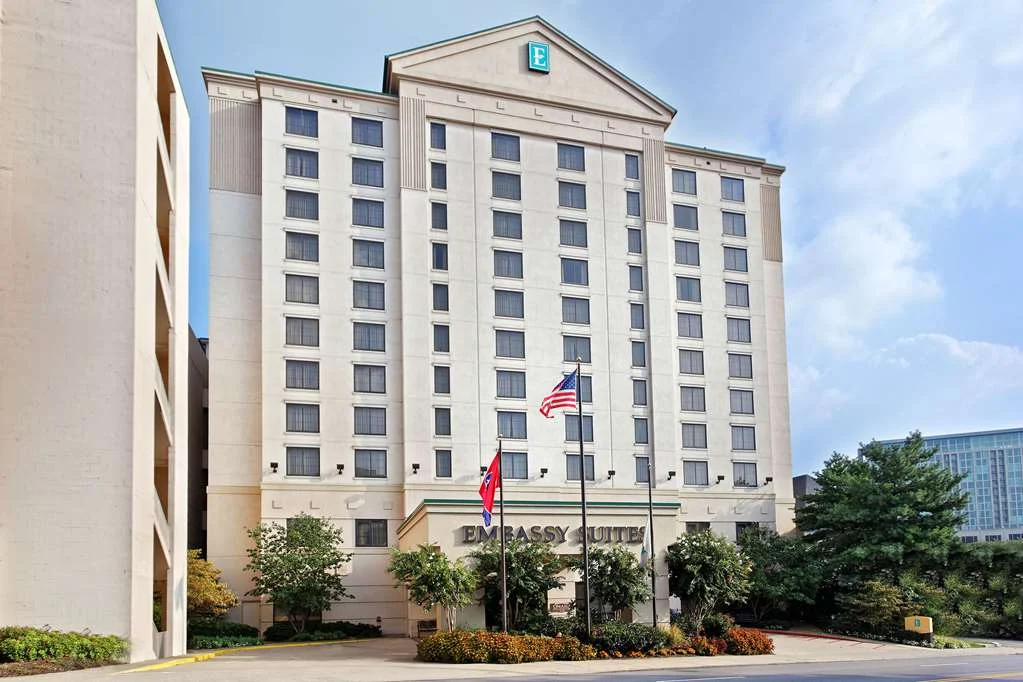
These deals reflect a pattern: strong gateway and growth markets (NYC, Nashville, and San Francisco) still command premium pricing, but most trades are happening with higher cap rates, lender creativity, and selective buyer appetite.
Industry forecasts show muted demand growth (0.4%–0.1% in 2025), limited occupancy recovery, and ADR growth of just ~1%. With consumers more price-sensitive, operators are turning to discounts, promotions, and group business to fill rooms.
Even large hotel REITs are pruning portfolios. Host Hotels’ sale of the Washington Marriott at Metro Center in 2025 at a ~$170M valuation illustrates how even core-market hotels are being monetized, often with seller financing to get deals across the finish line.
Labor markets have cooled significantly since their peak in 2022, but remain far from weak.
The Federal Reserve’s Beige Book (August 2025) noted that consumer spending has weakened, with hospitality and retail sectors resorting to discounts and promotions to sustain demand. In addition, six Fed districts reported reduced immigrant labor availability, tightening supply in service sectors.
Still, historically, today’s job market remains solid. Even at 7 million job openings, the U.S. is well above the long-term average of ~5 million pre-2020.
Bankruptcy filings are rebounding after years of artificially low levels.
This trend reflects the lagged impact of higher financing costs, fading stimulus buffers, and tighter consumer budgets. As Chamath Palihapitiya recently noted, bankruptcies today look elevated only because they follow years of unusual suppression. Compared to the 2015–2019 cycle, current numbers look much more like “normal” than “distressed.”
The point is clear: zoom out. We’re not facing a credit collapse but simply a reversion to long-term averages.
CRE’s story in 2025 is one of extremes—clear winners and clear laggards.
Data centers are the standout. Multiple Fed districts (Philadelphia, Cleveland, and Chicago) reported a surge in new construction to meet AI and cloud demand. Industrial assets, particularly warehouse and distribution space in New Jersey and Chicago, remain highly sought after, driving record rents in some submarkets.
Developers face high financing rates, rising contractor costs, and expensive materials. Kansas City Fed contacts noted larger contingency funds and escalator clauses are now standard. Across districts, new starts are subdued, with activity limited to projects with subsidies or tax abatements.
The U.S. real estate market in 2025 is not crashing—it’s normalizing. Hotels are no longer in a boom, the labor market is cooling without breaking, bankruptcies are trending back toward historical averages, and CRE reveals both resilience (data centers, industrial) and structural weakness (office, oversupplied multifamily, retail).
For hotel investors and owners, this shift means a more selective, fundamentals-driven environment. Markets such as New York and Nashville are still commanding premium valuations, while secondary and tertiary markets face more scrutiny and higher yield requirements. In this balanced environment, the most successful sellers are those who understand timing, buyer appetite, and creative deal structures.
If you are considering selling a hotel, repositioning an asset, or exploring your property’s market value, our team specializes exclusively in hotel transactions. Contact us today to discuss how we can help you achieve maximum value in today’s market.