
The hospitality industry is constantly evolving. With the ever-changing guest demands and economic fluctuations, hotel owners must practice flexibility and maneuverability. While some tendencies remain stable through the years, others shift quickly. What worked for hotels in 2023 may not bring revenue in 2024. From absorbing new technologies to adapting to the environment, staying on top of the latest changes means staying ahead of the competition. As the industry enters the new year, exploring 2024 hospitality trends is vital to obtaining new market share.
As the year comes to an end, there is an opportunity to analyze how 2023 trends worked out for the major and minor hospitality industry players. These tendencies are likely to continue into 2024.
The role of AI has become bigger across many industries. Hospitality is hardly an exception. In 2023, Hilton Hotels, Marriott, and the Cosmopolitan of Las Vegas has used AI for:
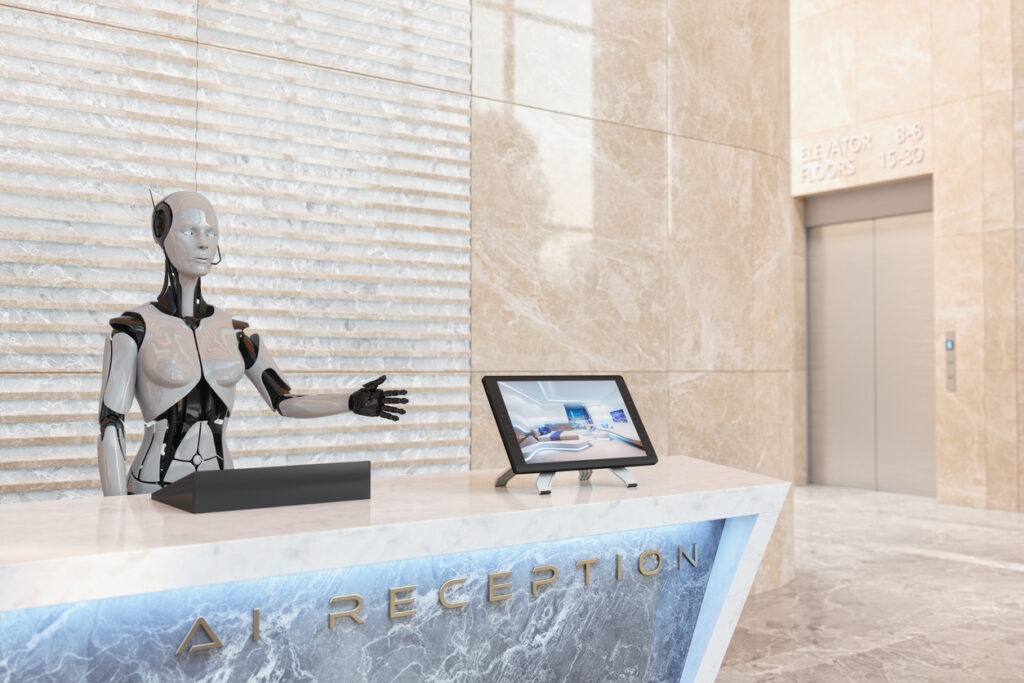
Cosmopolitan’s digital concierge Rose set the stage for 24/7, contactless, digital assistance that’s likely to become an all-encompassing trend in the near future. When it comes to higher-end hospitality players, they face complaints about human touch. This may be resolved in 2024 as AI-powered instruments become more human-like.
In 2023, sustainability tactics went from being optional to becoming an integral part of successful hotel operations. With 84% of consumers saying that a lack of proper sustainability efforts turns them away from the brand, hospitality industry players face the challenge head-on.
Hotels have implemented such sustainability practices as:
For example, Marriot International highlighted its sustainability and social impacts 2025 goals to attract more environment-conscious guests. Meanwhile, Wyndham Hotel and Resorts introduced a Green Program that requires its hotels to achieve specific sustainability goals.
In 2024, as hospitality giants push their programs to new levels, smaller hoteliers will be adopting similar practices to remain competitive.
As the AI adoption trends continue saving hotels money while sustainability practices attract more guests, hotel owners in 2024 should also pay attention to other trends.
This year, the size of the health and wellness market surpassed $5,243.30 billion and is expected to go over $8 billion by 2023. The key wellness trend that will affect hoteliers in 2024 is slow travel.
Slow travel (also called sustainable and low-impact travel) means traveling at a relaxed pace with a focus on health and wellbeing.
Hotels need to make sure they take full advantage of this particular trend and give the travelers exactly what they are looking for, including:

The next year will likely bring an increased focus on wellness travel, providing hotels with significant revenue-increasing opportunities, such as beauty and aesthetics services, weight loss programs, and spiritual activities. As tourists slow down, hotels have more time to promote and implement wellness options.
In 2023, 13% of full-time employees worked remotely while 30% had a hybrid work arrangement. Meanwhile, 28% of workdays were worked fully remotely. The prevalence of remote work led to a new concept called bleisure. Bleisure is a combination of business and leisure travel.
As the new year approaches, more and more hotels are accommodating the bleisuring guests who need a convenient opportunity to combine work and play. This involves providing a roomy workspace with high-speed internet, comfortable seating options, easy access to printing and copying facilities, and the like.
Bleisure travelers expect high-quality digitalized service. Unlike slow travelers, they want things done quickly and efficiently. In 2024, hotels will work hard to adapt to the needs of these guests by ensuring frictionless service through evolving AI-driven technologies.
The importance of personalized services is growing rapidly. Since consumers are willing to pay more for personalized services, hotels are working hard to accommodate them. From building guest profiles for marketing purposes to creating tailored offers during the stay, personalization becomes much easier with AI predictive analytics.
However, hotels need to prepare to balance personalized services with AI-powered technologies. Consumers who want more personalization are often put off by the automatic approach. Around 60% of them say that they aren’t comfortable with AI creating personalized experiences.
In 2024, hotels will likely benefit from advancing AI-driven technologies to predict guest needs and outcomes. They will need to stay on top of the latest innovations in order not to miss opportunities to steal market share through high-quality personalization.
Hospitality industry players can prepare for the coming year by making a few changes in advance:
While successful trends tend to evolve throughout the year, some of them change due to market fluctuations, economic downturns, and new technologies. That’s why extensive preparation for 2024 hospitality trends may not be cost-effective. However, monitoring the changes continuously and adjusting quickly can help stay ahead of the competition.
Flexibility is an integral part of successful hotel operations. As the industry evolves, you have to be ready to adapt quickly. While it’s possible to prepare for some changes, others are likely to come unexpectedly.
At NewGen Advisor, we continuously monitor the ever-changing hospitality landscape to help you maximize your revenue. To get more information about the industry, contact our team at any time.