
The way people work, travel, and live is transforming. Some of these trends are the aftermath of the COVID-19 pandemic and how it changed work. Work shifted to the cloud to facilitate remote work, offices shut down, and people moved to working in smaller, more comfortable spaces. Today, many people see the effects of those trends through the evolution of coworking spaces. Rather than returning to conventional cubicle-filled spaces, professionals opt for hybrid coworking spaces that offer more amenities, flexibility, and social resources. The hospitality industry is also responding to shifts in the market through the development of hybrid spaces, which combine coworking spaces and individual living spaces.
Investors and business owners who want to capitalize on the growing interest in hybrid hospitality spaces must keep their information current to make the right decisions on services, spaces, and even building locations. The nature of hybrid spaces both changes quickly and has extremely localized norms that make a hybrid space in London, UK, different from London, OH. However, there are also emerging principles that universalize the investment opportunities ahead.
Hybrid spaces offer both coworking spaces and personal living spaces. Hotels and hostels shifting to long-term client stays are expanding their ‘business centers’ to offer community-oriented workspaces with more working options, drinking and dining options, and other luxury options. Apartments are also expanding their focus on public or community-accessible spaces that are ideal for working, recreation, and social activity. This new model of providing living and working spaces is a blended approach that offers key benefits to everyone involved.
There is another offshoot of hybrid hospitality spaces that is picking up steam in major cities: bookable coworking spaces that double as entertainment venues. The same richly decorated and comfortable spaces that serve workers in the mornings can become corporate event spaces, party spaces for retirement events or alumni gatherings, or even wedding venues.
One of the biggest trends powering hybrid spaces is the continuing change in expectations after the pandemic. The muddled-together response of traveling work and remote work for everyone, offering the amenities of working from home outside of the home, and growing isolation took hold, and businesses have been working toward more creative and cohesive solutions ever since. However, there are additional trends powering the new focus on hybrid spaces:

Hotel owners and investors have to consider two core components for every business model, especially new ones: how does it serve the interests of potential consumers, and how does it bring in a profitable return on investment?
These three key areas represent wins for both consumers and investors:
Markets are becoming more diverse. Corporate travelers, independent contractors, students, and more are breaking into distinct categories throughout the travel and hospitality industries, but they all have very unique needs and preferences. Crafting hybrid hospitality spaces gives organizations the ability to serve those needs through community spaces, different settings, and luxury options (gyms, yoga spaces, gardens, restaurants, etc.) that make their stay more enjoyable.
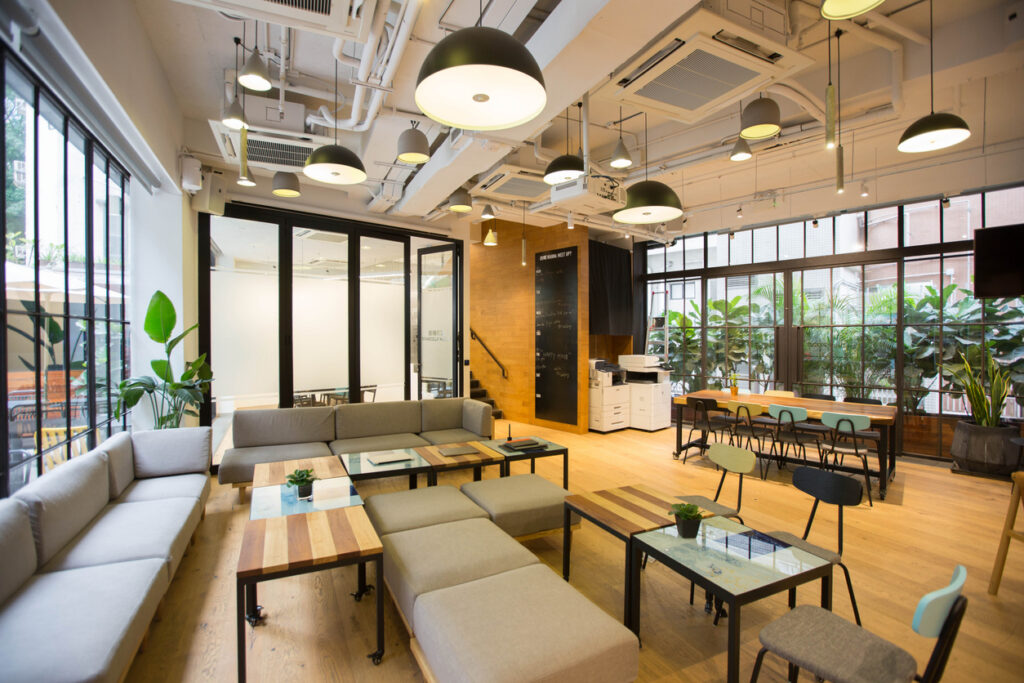
Sustainability is a global interest, especially in how it manifests among consumer preferences. Businesses can appeal to travelers and other visitors by adopting energy-efficient features. This can be as simple as having smart lighting in public and private spaces or as complex as having gardens for recreational spaces and organic produce. Sustainability-minded travelers will engage more readily with brands that support their values. Hotels can also benefit from long-term cost reductions and green incentive programs for businesses.
Hybrid hospitality also takes advantage of advancements in data and analytics to run efficiently. Just as Airbnb uses crowd data to manage availability and demand—and online reservation tools helped hotels plan room availability before even that, hybrid hospitality spaces can use large stores of data to power their business decisions. AI or ML-powered models can predict demand, assess the needs of individual and general travelers, and recommend changes on a sweeping or localized level.
You can predict which hospitality spaces align with the needs of your demographics, whether coworking spaces need to be larger, and which factors drive the biggest changes in consumer behaviors. This makes investing in unique and flexible spaces much less of a risk than ever before.
Hybrid hospitality spaces are no longer a luxury perk—they’re the general expectation of most travelers, and they will continue to be so in the future. By providing coworking spaces with Wi-Fi, comfortable seating, different rooms, and easy access to coffee and food, hotels can benefit consumers and ensure previously unused areas are put to profitable work. Whether the hybrid spaces are run by the hotel themselves or run in partnership with other businesses, they offer another source of revenue and a better way to retain business. Learn more about how you can transition into this market space with NewGen Advisory LLC. Contact us to discuss emerging trends or start searching for the right property to add to your portfolio.