
As new hotel construction slows to its lowest pace since 2016, hotel conversion projects have emerged as one of the most practical, cost-effective paths to growth for owners and investors. Major brands like Hilton and Wyndham are actively courting conversions—especially in secondary and tertiary markets—making this a pivotal moment to act. Whether you’re repositioning an underperforming property or aligning with a stronger flag, success in today’s environment comes down to three critical moves.
A hotel conversion lives or dies by its fit with local demand. That means taking a data-first approach to brand selection. Evaluate competitive set performance, local occupancy trends, and projected ADR growth—not just for today, but over the next five years.
Hilton’s recent growth tells a clear story: conversions in smaller markets are outperforming, particularly in places where new construction doesn’t pencil out. Think of regional hubs like Chattanooga, TN, Boise, ID, or Sioux Falls, SD—locations with steady tourism, business travel, and event-driven demand, but where labor and material costs make new builds impractical.
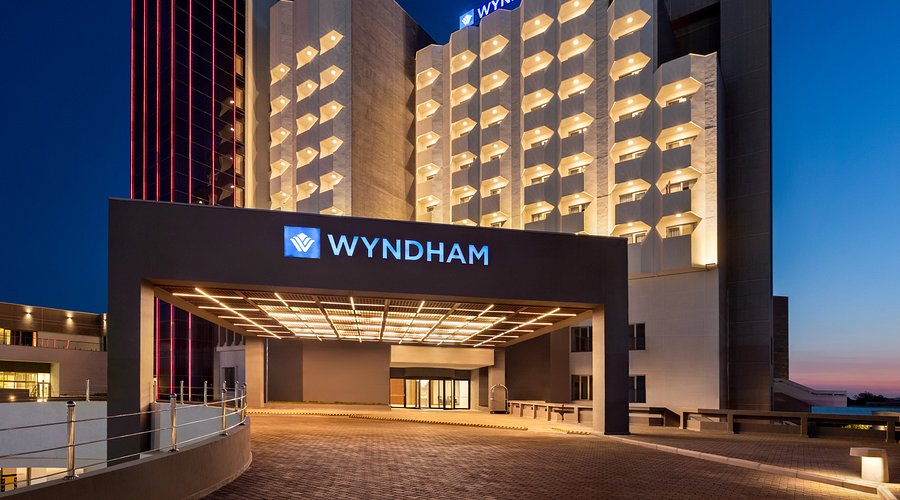
Wyndham is another example, expanding its room count even in the face of RevPAR headwinds. They’re strategically filling gaps in markets where value-driven travelers dominate, such as midwestern college towns, coastal drive-to markets, and interstate-adjacent properties that capture transient business.
Pro Tip: Look beyond brand prestige—focus on net unit growth potential and where your hotel fits within a brand’s expansion roadmap. A well-matched flag can deliver immediate uplift in bookings, loyalty redemptions, and marketing reach, whether you’re pursuing a hotel conversion to affordable housing model or a multifamily repositioning.
The pandemic taught the industry a lasting lesson: profitability isn’t just about top-line growth, it’s about protecting margins. As Expedia’s performance has shown, disciplined expense management and targeted upgrades can carry results even in softer demand cycles.
One of the biggest pitfalls in conversions is over-renovating. While it’s tempting to transform every corner of the property, your ROI depends on being selective.
High-Impact Renovation Areas:
Low-ROI Renovation Areas:
A lobby refresh that creates a strong first impression or in-room upgrades that boost online review scores can have an outsized impact on RevPAR.
Pro Tip: Before spending a dollar, ask: Will this renovation directly increase guest satisfaction or booking conversion rates? Keep your scope tight, and let performance—not perfection—guide your investment.
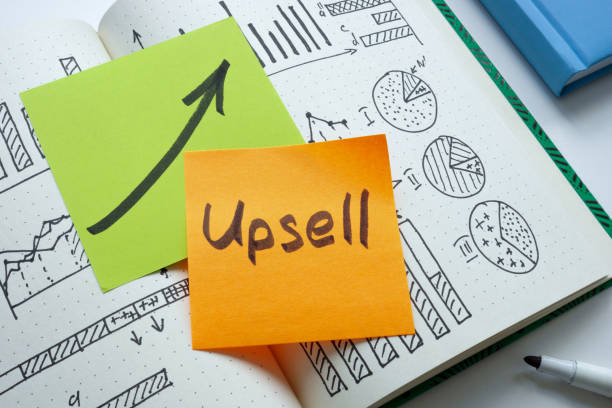
In an uncertain demand environment, revenue diversity is a powerful shield. Top-performing conversion properties aren’t just relying on room rates—they’re maximizing every guest touchpoint to generate ancillary income.
This can range from small touches like pet fees and premium parking options, to bigger partnerships like cobranded credit cards or local experience packages. Wyndham, for example, has leaned heavily into these strategies, especially in value-oriented segments where guests are willing to pay for added convenience and personalization.
Upselling is not only cost-effective, it also strengthens guest engagement. Offering early check-in for a fee, premium Wi-Fi tiers, or late check-out can add meaningful revenue without additional staffing or operational strain.
Pro Tip: Think beyond the room. Map the guest journey and identify every monetizable moment—from booking to check-out—that aligns with your brand promise.
Hotel conversions are no longer a fallback strategy—they’re the growth play for the next market cycle. With construction costs high, financing tight, and brands aggressively pursuing re-flags, the opportunity window is wide open.
The owners winning in 2025 will be those who:
Get these three moves right, and your conversion won’t just reposition your property—it’ll turn it into a long-term profit engine.
If you’re considering a hotel conversion to multifamily or a hotel conversion to affordable housing opportunity, now is the time to act. Our team specializes in helping owners identify the right flag, optimize renovation investments, and uncover new revenue streams for sustained profitability. Contact us today to discuss your property’s potential and create a strategy that delivers results in 2025 and beyond.